There are a number of different types of Cyanoacrylate or CA glue and each type has specific characteristics which...

Cart 0 Product Products (empty)
No products
Free shipping! Shipping
£ 0.00 Total
Product successfully added to your shopping cart
Quantity
Total
There are 0 items in your cart. There is 1 item in your cart.
Total products (tax incl.)
Total shipping (tax excl.) Free shipping!
Total (tax incl.)
Search Tips
Tips categories
Latest Tips
-
 What are the differences between thin and thick Cyanoacrylate glues?Read more
 -
 What type of water should I use with waterslide decals?Read more
Always use warm water from the tap. It doesn't need to be hot, just baby bath warm. This will just help the process...
-
 What are my options for adding sound to my layout?Read more
Adding sound to your layout can significantly enhance the immersive experience. Here are several options you might...
-
 What is a CCT van?Read more
The term CCT van stands for 'Covered Carriage Truck'. These Railway vans were designed specifically to carry motor...
-
 What are the common railway scales?Read more
There are three common model railway scales, these being N Gauge, OO Gauge and G scale; although there are several...

How long should a station platform be?
The platform will need to be as long as the longest rake of coaches you are running plus the length of the engine.
Many people fall foul of not allowing for the length of the engine but you need to remember the driver needs to get out as well! Obviously this mistake makes the platform too short.
If you look at any photograph of a railway station you will see that the platforms are extremely long to accommodate the longest of trains.
As an example, a steam train like a Flying Scotsman or Mallard with only 3 coaches behind (so quite a small train) will require a platform about 90cm long (that is 3 feet) in OO gauge.
Click here to receive the tips weekly in your mailbox. You can unsubscribe at any time.
Related products
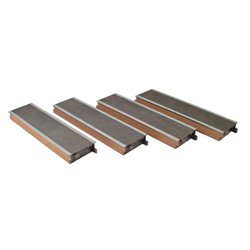
Set of 4x N gauge ready-to-go straight platform...
Price: £ 15.95Set of 4x N gauge ready-to-go straight platform sections from Graham Farish.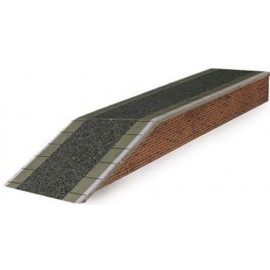
Platform kit
Price: £ 16.20Platform kit Pre-printed, pre-cut, embossed cardboard. Just need to be...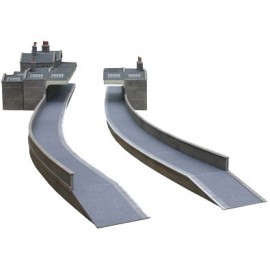
00 stone platforms
Price: £ 16.2000 stone platforms An extremely versatile platform kit that can be built to...
Related posts
-
 Do I need to wash my plastic kit?I personally wash all my plastic kits, I use warm soapy water (Washing up liquid) and a light rub over with a nail...
 - What is Milliput?Milliput is a two-part epoxy putty. There are two different colour rolls in a box when these are mixed together it...
- What modelling tools do I need to get started?Most modellers have an extensive tool kit, a tool for every eventuality. But when first starting a scalpel or a...
- How do I remove parts from the sprue?The short answer is carefully. The best way is with a sprue and plastic cutter but always be mindful of exactly...
- Do I need a cutting mat?It is not essential to have a cutting mat, but it is a good idea. It saves getting in trouble with your significant...