Rust is a combination of colours. It is made up of browns, orange and even red. Old rust has a darker look whereas...

Cart 0 Product Products (empty)
No products
Free shipping! Shipping
£ 0.00 Total
Product successfully added to your shopping cart
Quantity
Total
There are 0 items in your cart. There is 1 item in your cart.
Total products (tax incl.)
Total shipping (tax excl.) Free shipping!
Total (tax incl.)
Search Tips
Tips categories
Latest Tips
-
 What colour is rust?Read more
 -
 Why was the British Railways late crest implemented?Read more
In 1955 an act commonly known as the 'Modernisation Plan' was passed with the intensions of modernising British...
- What are the advantages of a wet palette when painting models?Read more
A wet palette offers several advantages when painting models and if you've ever struggled with paint drying too...
-
 How can I best cut masking tape into circles of a specific size?Read more
Cutting masking tape into circles of a specific size can be a bit tricky but there are a few methods that can make...
-
 What is a white metal kit?Read more
White metals are bright metal alloys made to possess varying qualities depending on their intended use. Some white...


How do I keep my model railway layout clean?
Maintaining a spotless layout can be a constant battle against the elements. Whether it's dust, dirt, or that pesky railway grime, ensuring your miniature world stays pristine requires a bit of elbow grease and a few savvy techniques. Fear not, with the right approach, you can keep your layout looking its absolute best.
Dust, dirt, and debris
The bane of every model railway aficionado's existence, dust and dirt can quickly accumulate on your layout, obscuring the fine details you've worked so hard to create. Start by covering your layout when not in use - a simple sheet or custom-fitted dust cover can work wonders. When it's time to run trains, use a soft, dry paintbrush to gently sweep away any loose particles that have settled on the surface.
For more stubborn grime, reach for a mild detergent solution and a soft, lint-free cloth. Avoid using too much water, as this can damage delicate components. Wipe down buildings, track, and rolling stock with the damp cloth, taking care not to let moisture seep into any electrical systems. Follow up with a dry cloth to ensure a streak-free shine.
Maintaining trackwork
Keeping your layout's trackwork in tip-top condition is crucial for smooth, reliable operation. Regularly clean the rails with a specialised track cleaner or isopropyl alcohol to remove any built-up dirt, oil, or oxidation. Use a soft, lint-free cloth or a dedicated track cleaning car to ensure even coverage.
Don't forget to check for any debris or obstructions on the track, such as fallen leaves or errant modelling materials. A quick visual inspection and gentle sweeping can prevent derailments and maintain reliable train movements.
Caring for rolling stock
Your carefully crafted locomotives and rolling stock deserve the same level of attention. Gently wipe down the exteriors with a soft cloth to keep them looking their best. For stubborn grime, use a mild detergent solution and a soft-bristled brush to clean the undercarriages and wheel sets.
Remember to inspect your rolling stock regularly for any signs of wear or damage, and address any issues promptly to ensure continued safe and reliable operation.
Posted in: Best practices
Click here to receive the tips weekly in your mailbox. You can unsubscribe at any time.
Related products
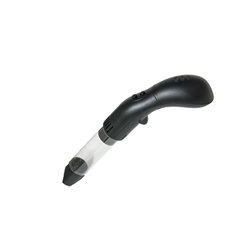
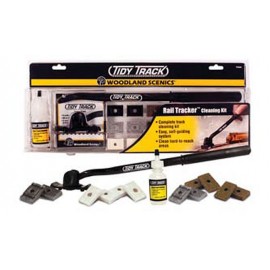
Rail Tracker Cleaning Kit (N & OO/HO Scale)
Price: £ 43.50The Rail Tracker cleaning tool actually follows the track and hugs the rail...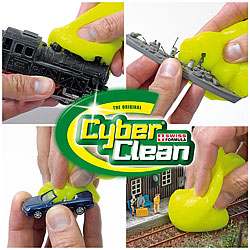
DISC**Cyber Clean
Price: £ 5.99Cyber Clean Model Cleaner - neat and simple to use:Just simply roll over, or...
Related posts
-
 Do I need a respirator?If you are using an aerosol spray paint you should always use one. Always read the manufacturer’s...
 - How to remove super glue (cyanoacrylate)?Cyanoacrylate is best known as super glue. The best way to remove it is with acetone or an acetone-based product...
- What is the best wood for baseboards?The most common wood for baseboards is probably chipboard as this is relatively inexpensive. Plywood is another...
- How do I stick parts together for a test fit?There are several trains of thought on the best way to secure parts together temporarily. Some suggest using a small...
- How to clean model railways track?There is of course the old tried and tested method, the track rubber which does the job, no railway modeller should...