Flux is a crucial component in the soldering process, and using it offers several benefits that improve the quality...

Cart 0 Product Products (empty)
No products
Free shipping! Shipping
£ 0.00 Total
Product successfully added to your shopping cart
Quantity
Total
There are 0 items in your cart. There is 1 item in your cart.
Total products (tax incl.)
Total shipping (tax excl.) Free shipping!
Total (tax incl.)
Search Tips
Tips categories
Latest Tips
-
 What are the benefits to be gained from using flux when I am soldering ?Read more
 -
 What is a fogman?Read more
A 'fogman' was a railway worker tasked with laying detonators (fog signals) on railway tracks during snowy, foggy or...
-
 What is a dropper wire?Read more
When using a bus wire (shared common wire) to distribute power around your layout, you will inevitably have to tap...
-
 What are fixed buffer stops?Read more
Although there are many different types of buffer stops, they can be primarily separated into two types, fixed or...
-
 Is an exhibition layout different from a home layout?Read more
If you are accustomed to the world of model railways, then you'll already know what an exhibition layout is, but for...

What are the common mistakes to avoid when building a model kit?
(Cue nostalgic music...)
I vividly remember the excitement and nervousness of opening up my first model kit many years ago. The anticipation of bringing a miniature world to life with some plastic parts and a bit of paint quickly ran into the realities of the intricate craft I just embarked upon. Even simple mistakes can quickly snowball into disastrous results for beginner model builders like myself at the time.
So without further ado, here are the common mistakes related to construction, prep work, detailing, and general patience that frequently plague modellers working on their first kits. Learn what to watch out for so your inaugural build is smooth, educational, and most importantly, fun!
Construction clarity
It can be extremely tempting when opening up your first kit to toss the instruction sheet aside and jump straight into gluing pieces together. Fight that urge! The instructions contain invaluable information on the proper assembly order and orientation of parts. Rushing ahead without fully understanding each step can create all kinds of issues, from crooked wings to upside-down decals. So take it slow, read everything twice, and take notes if you need to. Trust me, it will pay off later.
Proper prep prevents problems
One of the keys to a good end result is properly preparing every component before final construction. This includes trimming away excess plastic and flash from each piece so seams fit tightly together. Sanding edges smooths surfaces and prevents visible glue lines. Filling gaps with putty ensures there are no cracks or uneven panels on your finished product. Skipping these critical prep steps almost guarantees a disappointing end result, so take your time and do it right.
Patience provides precision
With all the intricate assembly and painting compressed into smaller scales, modelling requires diligent precision and steady hands. Rushing any step is therefore a recipe for mistakes - smudged paint, crooked decals, and uneven gluing among them. I cannot overstate having patience, especially with initial kits. Go slowly, take breaks if frustrated, and understand that some steps may need multiple attempts before you achieve the results you want. The joy is in the journey. No one gets it perfectly right on the first try, so embrace the learning process!
I hope these tips help you circumvent major pitfalls modellers often encounter starting out. Let me reassure you, the early blunders are all part of the hobby's charm if you have the right mindset. Learn from your mistakes, have fun even when struggling, and soon enough you'll be impressing others with your modelling skills instead of requiring advice!
Posted in: Kit building
Click here to receive the tips weekly in your mailbox. You can unsubscribe at any time.
Related products
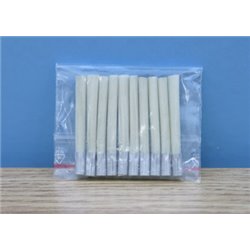
Pack of 10 High Quality 4mm Glass Fibre Refills
Price: £ 10.99Pack of 10 High Quality 4mm Glass Fibre Refills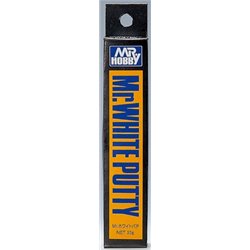

Related posts
-
 Do I need to wash my plastic kit?I personally wash all my plastic kits, I use warm soapy water (Washing up liquid) and a light rub over with a nail...
 - What is Milliput?Milliput is a two-part epoxy putty. There are two different colour rolls in a box when these are mixed together it...
- What modelling tools do I need to get started?Most modellers have an extensive tool kit, a tool for every eventuality. But when first starting a scalpel or a...
- How do I remove parts from the sprue?The short answer is carefully. The best way is with a sprue and plastic cutter but always be mindful of exactly...
- Do I need a cutting mat?It is not essential to have a cutting mat, but it is a good idea. It saves getting in trouble with your significant...