Glass fibre pencils are commonly used in modelling for cleaning locomotive wheels, commutators and other electrical...

Cart 0 Product Products (empty)
No products
Free shipping! Shipping
£ 0.00 Total
Product successfully added to your shopping cart
Quantity
Total
There are 0 items in your cart. There is 1 item in your cart.
Total products (tax incl.)
Total shipping (tax excl.) Free shipping!
Total (tax incl.)
Search Tips
Tips categories
Latest Tips
-
 What is a glass fibre pencil?Read more
 -
 Is ballast grey or brown?Read more
Ballast can be either colour. If you are creating a layout of a prototype line then you should try and stick as...
-
 What is a CCT van?Read more
The term CCT van stands for 'Covered Carriage Truck'. These Railway vans were designed specifically to carry motor...
-
 Are there any issues when combining track sections from different manufacturers?Read more
There can be some issues to consider when it comes to combining track sections from different manufacturers on the...
-
 How do I clean the wheels of my engine?Read more
One easy way is to get yourself a Peco cleaning kit containing a wire brush, wheel scraper, foam cradle and oil. The...

What advantages do lacquer paints typically have over enamels or acrylics?
Lacquer paints offer several advantages over enamels or acrylics:
Quick drying: Lacquer paints generally dry and cure much faster compared to enamels or acrylics. This allows for quicker application of multiple coats and reduces the overall painting time.
Smooth finish: Lacquers tend to provide a smooth and glossy finish, which can enhance the appearance of model railway surfaces, such as locomotives, rolling stock, or structures.
Durability: Lacquer paints are known for their durability and resistance to chipping and scratching. This makes them suitable for models that may undergo handling or require regular maintenance.
Compatibility: Lacquer paints are compatible with a wide range of surfaces, including plastic, metal, and resin commonly used in model railway construction. They adhere well and provide good coverage.
Airbrush-friendly: Lacquer paints are often preferred by modellers who use airbrushing techniques. They have excellent atomization properties, allowing for smooth and consistent spraying, resulting in a professional-looking finish.
However, it's important to note that lacquer paints can be more challenging to work with due to their strong fumes and higher toxicity compared to enamels or acrylics. Proper ventilation and safety precautions should be taken when using lacquers. Additionally, lacquer thinners specific to the paint brand are required for cleanup and thinning.
Posted in: Painting
Click here to receive the tips weekly in your mailbox. You can unsubscribe at any time.
Related products
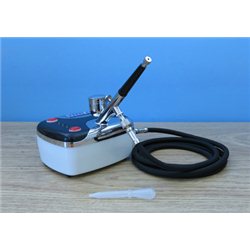
Super Detail Double action airbrush and compressor
Price: £ 99.95AB605 Expo Super Detail Airbrush Deal. Perfect for beginners and experienced...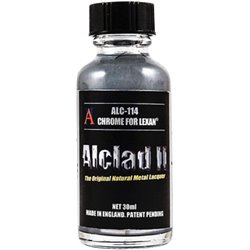
DISC**Chrome for Lexan Cellulose Lacquer - 30ml
Price: £ 5.40Chrome for Lexan Cellulose Lacquer - 30ml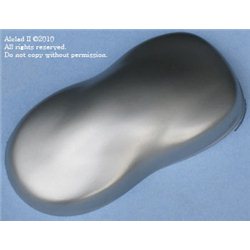
DISC**Aluminium lacquer airbrush only
Price: £ 5.25Aluminium lacquer airbrush only For use on injection plastic kits a primer is...
Related posts
-
 Do I need to use a primer?For best results it is advisable to use a primer as this will stick to the plastic and give a uniform coat of paint...
 - What is weathering?Weathering is a painting technique used by modellers to create the appearance of dirt and grime and even damage to...
- How do I clean brushes used with enamel paint?Enamel paint is solvent based, so trying to wash in water will not work, you need to use white spirit. It is...
- How do I fill holes in a model?There are many products on the market for filling holes: There are plastic putties straight out of the tube, there...
- What is the best size paintbrush?This would depend on what you are painting as paint brushes come in various shapes and sizes. I would say for...