Building a Metcalfe kit is a great way to gain modelling experience. Building one should not be feared because they...

Cart 0 Product Products (empty)
No products
Free shipping! Shipping
£ 0.00 Total
Product successfully added to your shopping cart
Quantity
Total
There are 0 items in your cart. There is 1 item in your cart.
Total products (tax incl.)
Total shipping (tax excl.) Free shipping!
Total (tax incl.)
Search Tips
Tips categories
Latest Tips
-
 How do I build a Metcalfe kit?Read more
 -
 What is an electromagnetic de-coupler and how would it be used?Read more
An electromagnetic de-coupler is a device used in model railways to separate train carriages without physically...
-
 What to do when plastic cement doesn't cement!Read more
Plastic cement is a formula that temporarily softens and melts the surface of most plastics. This makes it very...
-
 What are open spoke wheels?Read more
Open spoke wheels were a type of early railway wheel that featured double spokes, this type of wheel was commonly...
-
 How can I wash off acrylic paint from unwanted places?Read more
Sometimes, we spend more time trying to remove paint than we do applying it in the first place. Whether it is because...

Are resin kits better than plastic kits?
Resin scale kits are made from a type of plastic that is known for its high level of detail and accuracy. The material is able to capture very fine details and often has a higher level of accuracy than plastic kits. Additionally, resin kits are known for their high levels of surface texture and crisp, sharp details. This makes them ideal for modellers who want a highly detailed and accurate representation of the subject matter.
However, resin kits also come with some drawbacks. They can be more difficult to work with than plastic kits and require a higher level of skill and experience to assemble and paint. They are also typically more expensive than plastic kits. The material is strong but brittle and the modeller needs to be more careful to avoid damaging kit parts. Additionally, as they are made from a different material to plastic, resin kits inevitably need a different adhesive. Many of the poly-cement based adhesives used for plastic kits are unable to form a bond with resin, so most resin modellers use Cyanoacrylate or CA glue which is a form of super glue that is better suited to use with resin.
On the other hand, plastic kits are known for their affordability and ease of assembly. They are made of a more flexible material that is less prone to breakage and warping. They are also usually easier to paint since they do not require as much preparation and priming as resin kits. Additionally, plastic kits are available in a wide variety of scales and subjects, making them accessible to a wider range of modellers.
Many resin models are produced on very specific subjects. These may not always appeal as a mainstream interest and so would not be commercially viable for plastic kit manufacturers. That said, resin models are likely to appeal to specialists and more experienced modellers. Many resin manufacturers tend to be smaller operators who aim to niche markets. The greater expense of a resin kit helps offset the costs of a smaller production run.
Ultimately, the choice between a resin kit and a plastic kit will depend on the individual's skill level, budget, and preferences. Resin kits are ideal for experienced modellers who are looking for a high level of detail and accuracy, while plastic kits are better suited for beginners or those on a budget. Both types of kits have their own unique benefits and drawbacks, and the choice between them will depend on the specific needs and preferences of the modeller.
Posted in: Kit building
Click here to receive the tips weekly in your mailbox. You can unsubscribe at any time.
Related products
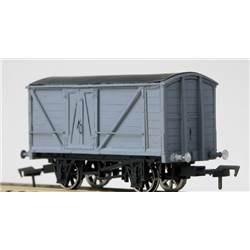
LSWR 8 ton Van Rebuilt by the Southern Railway...
Price: £ 28.90LSWR 8 ton Van Rebuilt by the Southern Railway from a 10t Road VanResin Model...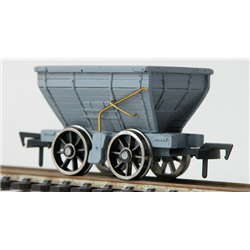
North Eastern Railway P1 Chaldron Waggon Kit
Price: £ 19.90North Eastern Railway P1 Chaldron Waggon KitResin Model Kit.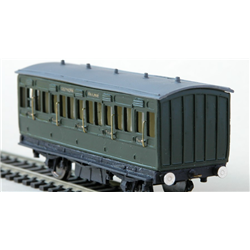
LBSCR Full 3rd 4 Wheel Stroudley Coach
Price: £ 39.90LBSCR Full Third 4 Wheel Stroudley Coach as used on the Isle of Wight...
Related posts
-
 Do I need to wash my plastic kit?I personally wash all my plastic kits, I use warm soapy water (Washing up liquid) and a light rub over with a nail...
 - What is Milliput?Milliput is a two-part epoxy putty. There are two different colour rolls in a box when these are mixed together it...
- What modelling tools do I need to get started?Most modellers have an extensive tool kit, a tool for every eventuality. But when first starting a scalpel or a...
- How do I remove parts from the sprue?The short answer is carefully. The best way is with a sprue and plastic cutter but always be mindful of exactly...
- Do I need a cutting mat?It is not essential to have a cutting mat, but it is a good idea. It saves getting in trouble with your significant...