Stripping enamel paint from a model can seem like a delicate process, but with the right tools and techniques, it's...

Cart 0 Product Products (empty)
No products
Free shipping! Shipping
£ 0.00 Total
Product successfully added to your shopping cart
Quantity
Total
There are 0 items in your cart. There is 1 item in your cart.
Total products (tax incl.)
Total shipping (tax excl.) Free shipping!
Total (tax incl.)
Search Tips
Tips categories
Latest Tips
-
 How to safely strip enamel paint from a model?Read more
 -
 What is an eggbeater drill?Read more
An 'eggbeater' is a type of hand drill so-called because its appearance resembles an egg whisk.Officially known...
-
 What is the difference between a model, a replica and a scale model?Read more
Any terms (especially in modelling) that are used interchangeably are undoubtedly the starting point for many...
-
 How can I easily model working streetlamps?Read more
There are a few options you can consider when it comes to modelling working streetlamps: LED streetlamps: LED...
-
 Is there a Tracksetta for N gauge?Read more
Tracksetta is a term that refers to a tool used for the shaping of flexible track sections, it is sometimes also...

What are the advantages of using weathering powders?
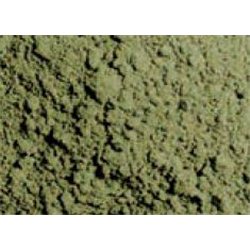
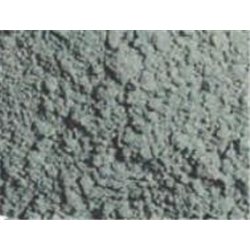
Weathering powders are a great way to bring an extra dimension of realism to a model. There is a wide range of manufacturers who are producing weathering powders. Some manufacturers concentrate on producing individual colours or tones, whereas others specialise in producing a range of colours to suit a specific subject, e.g. armour or locomotives.
A modeller can utilise a wide variety of weathering techniques to bring a weathered or tired look to a model, such as chipping and washing. Weathering powders are another option that can be utilised to bring out various effects such as accumulated dirt, oil stains, mud deposits and rust to mention but a few. One of the big advantages of using powders is they can be deployed over most types of finish but work especially well on matt surfaces. Carefully applied, they can also produce stunning results on a wide variety of models including locomotives, buildings, aircraft and vehicles.
Differing powders can be mixed to bring a variety of tones and effects to a model. They are applied using a brush to the desired area. The best technique is to use them sparingly to build up the desired effect, so it's good to practice first on scrap material before venturing onto a model. It is possible to achieve the effects of running oil or rust stains simply by using vertical strokes with a fine brush dampened with a little tap water. Powders are also very forgiving, in that overdone or unsatisfactory results can easily be removed by careful application of water.
It is important to apply a varnish when the weathering process is complete. This has the dual effect of locking in the weathering effects and paint scheme and also offers protection to the model, allowing it to be handled without damaging the weathering effects. A matt varnish is the best finish as this will protect the powders whilst allowing them to have the best visual effect. A clear or gloss varnish will protect the powders but the resulting shiny surface will reduce their visual effect.
Powders are a very versatile way of bringing a variety of different weathering effects to a model. They also work well in combination with other similar techniques such as washes. Why not try this effect on your next project?
Posted in: Painting
Click here to receive the tips weekly in your mailbox. You can unsubscribe at any time.
Related products
Related posts
-
 Do I need to use a primer?For best results it is advisable to use a primer as this will stick to the plastic and give a uniform coat of paint...
 - What is weathering?Weathering is a painting technique used by modellers to create the appearance of dirt and grime and even damage to...
- How do I clean brushes used with enamel paint?Enamel paint is solvent based, so trying to wash in water will not work, you need to use white spirit. It is...
- How do I fill holes in a model?There are many products on the market for filling holes: There are plastic putties straight out of the tube, there...
- What is the best size paintbrush?This would depend on what you are painting as paint brushes come in various shapes and sizes. I would say for...