The best way to run a catenary system through a tunnel is to ensure proper planning and installation. Here are the...

Cart 0 Product Products (empty)
No products
Free shipping! Shipping
£ 0.00 Total
Product successfully added to your shopping cart
Quantity
Total
There are 0 items in your cart. There is 1 item in your cart.
Total products (tax incl.)
Total shipping (tax excl.) Free shipping!
Total (tax incl.)
Search Tips
Tips categories
Latest Tips
-
 What is the best way to run a catenary system through a tunnel?Read more
 -
 How can I keep parts in place during gluing?Read more
When gluing parts, it is best to hold them in place especially if it is a large area you need to join together, such...
-
 Where is the best place to store my layout when not in use?Read more
One of the trickiest issues with operating a model train layout is where to store it when not in use. There are a...
-
 Can I use WD-40 on my model railway locomotive?Read more
Every toolbox has a can of WD-40 in it to rid the world of squeaks and loosen any stubborn nuts and bolts, so the...
-
 What options do I have for motorising the waterwheel on a mill or the sails of a windmill?Read more
There are several options for motorising the waterwheel on a mill or the sails of a windmill on a model railway...

How can I create buildings for my layout or diorama?
Creating bespoke buildings for a layout is actually surprisingly straightforward and is a popular sideline for many modellers. One of the most time-consuming parts of creating a building from scratch would be painting the brick or stone facade. This factor alone may deter many modellers from creating their own buildings.
Luckily there is a quick and simple solution to this problem. There is a diverse range of brick-papers to choose from by a wide variety of manufacturers. Brick-papers will allow a modeller to choose an appropriate facade for their building. This can reflect not only specific time periods and building materials but can also cater for different building styles between nations. All facades can easily be glued in place by PVA glue, card glue or other similar hobby adhesives. Just remember to ensure the chosen brick-paper option matches the gauge of the intended layout.
The shell of a building can be constructed from a suitable material such as cardboard or plastic card. An appropriate brick-paper can then be added to simulate the facade. Similarly, when it comes to roofing there is a wide range of roofing papers to choose from. Plastic corrugated sheets are also available for those who wish to model workshops or other outbuildings. These can be painted to depict rust and dirt and other related weathering. Alternatively, small amounts of scatter could be cleverly used to mimic weeds or ivy hinting at a level of disrepair and decay.
Doors and window frames can likewise be created from cardboard and or plastic card. Windows can be created from clear plastic and plastic strips can be added to produce the final frame details. Why not design and assemble a bespoke building for your next layout or diorama?
Posted in: Assembling and gluing
Click here to receive the tips weekly in your mailbox. You can unsubscribe at any time.
Related products
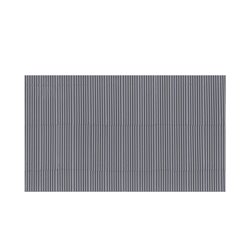
Materials Corrugated Iron - 130 x 75 mm (4 sheets)
Price: £ 7.20Materials Corrugated IronOO gauge 1/76 scale.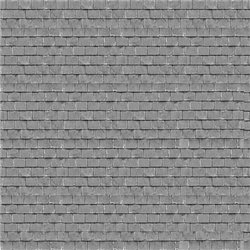
Building Material Grey Roof Tiles BM062 - OO/HO...
Price: £ 6.50Building Material Grey Roof Tiles BM062 Pack of A4 self-adhesive building...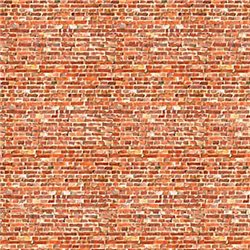
Building Material Light Old Red Brick BM008a -...
Price: £ 6.50Building Material Light Old Red Brick BM008a Pack of A4 self-adhesive...
Related posts
-
 Do I need to wash my plastic kit?I personally wash all my plastic kits, I use warm soapy water (Washing up liquid) and a light rub over with a nail...
 - What is Milliput?Milliput is a two-part epoxy putty. There are two different colour rolls in a box when these are mixed together it...
- What modelling tools do I need to get started?Most modellers have an extensive tool kit, a tool for every eventuality. But when first starting a scalpel or a...
- How do I remove parts from the sprue?The short answer is carefully. The best way is with a sprue and plastic cutter but always be mindful of exactly...
- Do I need a cutting mat?It is not essential to have a cutting mat, but it is a good idea. It saves getting in trouble with your significant...