A pick and place tool is an aid for modellers, designed to handle small, intricate parts with precision and care. In...

Cart 0 Product Products (empty)
No products
Free shipping! Shipping
£ 0.00 Total
Product successfully added to your shopping cart
Quantity
Total
There are 0 items in your cart. There is 1 item in your cart.
Total products (tax incl.)
Total shipping (tax excl.) Free shipping!
Total (tax incl.)
Search Tips
Tips categories
Latest Tips
-
 What is a "pick and place tool"?Read more
 -
 What is a bolster wagon?Read more
A bolster wagon is a railway wagon designed to carry long items such as rails or posts.In appearance, bolster...
-
 What are Vacuform model kits ?Read more
Vacuform model kits (sometimes called vacform kits or simply vac kits) are a type of scale model kit that is made...
-
 What are BAA wagons?Read more
The BAA wagons were 40 feet long, mounted on BR-designed FBT6 bogies, similar to the widely successful Y25 type....
-
 What is the difference between single and double slip points?Read more
A single slip point has one moveable rail that can direct a train onto one of two possible tracks. The single movable...

What do I use to thin paint?
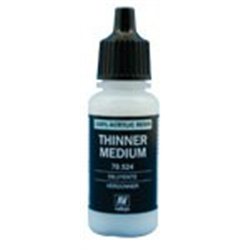
Don't forget that there are different thinners for different paints, you will need a solvent based thinner for enamel and a water based one for acrylic.
Most paint manufacturers supply a thinner as part of their range and each is specific to them, so it is best to use their thinning agent with their paint product. A more generic approach is to use water with acrylic paint and white spirit for enamel paint.
To measure the amount of thinner you are adding to the paint it is advisable to use a syringe, ideal for any liquid measuring.
If you are using acrylic paint that is a bit stodgy you can try adding a small amount of water and stir it in. Stir in small amounts of water until you get the right consistency, if you add too much water there's no coming back you'll be left with a wash.
Posted in: Painting
Click here to receive the tips weekly in your mailbox. You can unsubscribe at any time.
Related products
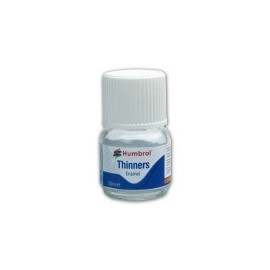
Enamel Thinners 28ml Bottle
Price: £ 6.50Enamel Thinners 28ml Bottle Thinning down of solvent-based enamel paints,...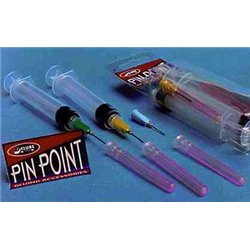
Related posts
-
 Do I need to use a primer?For best results it is advisable to use a primer as this will stick to the plastic and give a uniform coat of paint...
 - What is weathering?Weathering is a painting technique used by modellers to create the appearance of dirt and grime and even damage to...
- How do I clean brushes used with enamel paint?Enamel paint is solvent based, so trying to wash in water will not work, you need to use white spirit. It is...
- How do I fill holes in a model?There are many products on the market for filling holes: There are plastic putties straight out of the tube, there...
- What is the best size paintbrush?This would depend on what you are painting as paint brushes come in various shapes and sizes. I would say for...