Using a compressor with an airbrush offers several advantages that can greatly enhance scale modelling or model...

Cart 0 Product Products (empty)
No products
Free shipping! Shipping
£ 0.00 Total
Product successfully added to your shopping cart
Quantity
Total
There are 0 items in your cart. There is 1 item in your cart.
Total products (tax incl.)
Total shipping (tax excl.) Free shipping!
Total (tax incl.)
Search Tips
Tips categories
Latest Tips
-
 What are the advantages of using a compressor with an airbrush ?Read more
 -
 Which turnouts are most realistic on a model railway layout?Read more
If you have ever been to a model railway show, you may well have been inspired and impressed by the realism of the...
-
 How can I easily create a canal system on my layout ?Read more
Creating a canal system on a model railway layout can be a fun and rewarding project. Here are some steps to enable a...
-
 How can I use two-part epoxy putty on my model or layout?Read more
One of the most useful tools for a modeller to have in their tools/supplies stash is modelling two-part epoxy putty...
-
 What is the difference between static grass and fine scatter?Read more
Static grass and fine scatter are both commonly used in scale modelling and model railway projects to create...

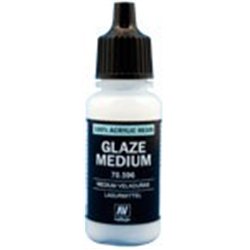
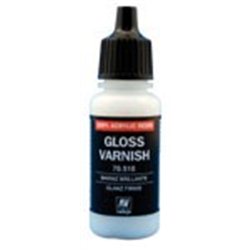
Some paint varnishes are labelled as glaze and some as gloss. What is the difference between them?
Glaze and gloss are both terms used in the world of finishes and coatings, but they have different meanings and applications.
Let's explore the differences between the two :
- Glaze : in the context of scale modelling and painting, glaze refers to a transparent or semi-transparent layer of paint or medium that is applied over a base coat. Glazes are used to modify the appearance of the underlying colours, add depth, and create subtle shading or highlighting effects. They are often used in techniques like colour blending, shading, and weathering. Glazes can be created by diluting paint with a glazing medium or using specialized glaze products.
- Gloss : gloss, on the other hand, refers to the level of shine or reflectivity of a finish. It is a measure of how much light is reflected off the surface. A gloss finish has a high level of shine and reflects light well, creating a smooth and reflective surface. Gloss finishes are commonly used for achieving a polished and glossy appearance on models, especially on surfaces like cars, aircraft, or metallic parts. Gloss finishes can be achieved using gloss paints, varnishes, or clear coats.
To summarize, glaze is a technique used to modify colours and create subtle effects, while gloss refers to the level of shine in a finish. Glazes are transparent or semi-transparent layers applied over a base coat, whereas gloss finishes are achieved using specific paints or coatings that provide a high level of shine.
Posted in: Painting
Click here to receive the tips weekly in your mailbox. You can unsubscribe at any time.
Related products

Related posts
-
 Do I need to use a primer?For best results it is advisable to use a primer as this will stick to the plastic and give a uniform coat of paint...
 - What is weathering?Weathering is a painting technique used by modellers to create the appearance of dirt and grime and even damage to...
- How do I clean brushes used with enamel paint?Enamel paint is solvent based, so trying to wash in water will not work, you need to use white spirit. It is...
- How do I fill holes in a model?There are many products on the market for filling holes: There are plastic putties straight out of the tube, there...
- What is the best size paintbrush?This would depend on what you are painting as paint brushes come in various shapes and sizes. I would say for...