When modelling fog in a railway scene, you’ll want to create a convincing sense of mist rolling over the tracks,...

Cart 0 Product Products (empty)
No products
Free shipping! Shipping
£ 0.00 Total
Product successfully added to your shopping cart
Quantity
Total
There are 0 items in your cart. There is 1 item in your cart.
Total products (tax incl.)
Total shipping (tax excl.) Free shipping!
Total (tax incl.)
Search Tips
Tips categories
Latest Tips
-
 How do I model a foggy scene on my railway?Read more
 -
 How do I get started with weathering a plane?Read more
Weathering a plane is a fantastic way to add realism and character to your aircraft. It involves replicating the...
-
 In railways, what are two, three and four-aspect signals?Read more
We often hear about colour light signals having two, three or four aspects in their description, but what does this...
-
 Do I need to thin paint?Read more
This very much depends on the project you are working on. For painting the base coat I would say no it is not...
-
 Should I paint my plastic kit while still on the sprue?Read more
There are two schools of thought when it comes to painting plastic kits. One is to assemble everything and then...

How do I model a foggy scene on my railway?
When modelling fog in a railway scene, you’ll want to create a convincing sense of mist rolling over the tracks, softening details and adding atmosphere. Here are some techniques:
1. Layered Backdrops for Depth
Use a painted or printed backdrop with fading details to suggest distance. Keep colours desaturated, with muted greys and blues to mimic foggy conditions. A gradual transition between the backdrop and foreground will enhance realism.
2. Cotton Wool or Fibre Fill for Rolling Fog
Tease out cotton wool or synthetic fibre fill (like that used in pillow stuffing) to create wisps of fog. Use it sparingly and fix it in place with a fine mist of hairspray or diluted PVA glue. This works well for mist rising from valleys, rivers or tracks.
3. Airbrushing for Soft Transitions
Lightly airbrush a thin layer of white or grey over distant scenery, softening the edges of buildings, trees and background features. This helps blend the scene into the mist, giving a natural atmospheric perspective.
4. Matte Finishes to Reduce Sharpness
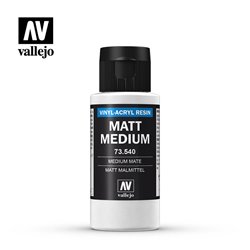
A glossy surface can make fog look unnatural. Apply a matte varnish to buildings, rolling stock and trackside elements in fogged areas to remove unwanted reflections and create a diffused effect.
5. Diffused Lighting for Realism
For layouts with lighting, use diffused LEDs or frosted plastic to create the soft glow of railway signals, streetlights or station lamps in the mist. Yellow or warm white lights work well for an early morning or evening fog effect.
6. Semi-Transparent Plastic for Denser Fog
Thin sheets of frosted acrylic or tracing paper placed strategically between layers of scenery can add denser, low-lying fog. Placing it behind a row of buildings or just above the track can suggest a thick mist rolling in.
7. Sheer Fabric for Background Haze
Fine tulle or mesh fabric stretched across the backdrop can create a subtle foggy blur, softening details without obstructing the entire scene. This is effective for adding depth and making distant elements appear shrouded in mist.
Posted in: Scenery
Click here to receive the tips weekly in your mailbox. You can unsubscribe at any time.
Related products
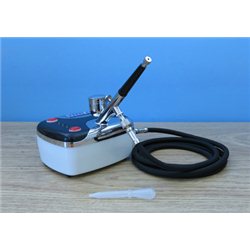
Super Detail Double action airbrush and compressor
Price: £ 99.95AB605 Expo Super Detail Airbrush Deal. Perfect for beginners and experienced...
Related posts
-
 Is static grass better than scatter?I use both, separately and together. Static grass comes in various sizes from 0.5mm to 12mm while scatter is...
 - How do I apply static grass?Static grass is best applied using a static grass applicator. There are several on the market and they can apply...
- What colour are tree trunks?Tree trunks are actually grey in colour and not brown as you would think. The next time you are out and about just...
- How to make hills?You can make hills in a variety of ways. The tried and tested way is with chicken wire and papier mache. This is a...
- How do I glue scatter?Select the area where you want the scatter, then apply a layer of PVA glue, sprinkle your grass covering the glue....